

Guru Tegh Bahadur Martyrdom Day: Legacy of Hind Di Chadar

In this article
Key Highlights
• Guru Tegh Bahadur was the ninth Sikh Guru and a defender of religious freedom.
• Martyrdom Day marks his execution in Delhi in 1675 under Mughal rule.
• He protected Kashmiri Pandits who sought safety from religious persecution.
• Sikhs call him Hind Di Chadar, meaning Shield of India.
• His sacrifice is remembered as a turning point in Sikh identity and courage.
• Guru Gobind Singh praised his father’s stand against injustice.
• Shaheedi Diwas is observed in Gurudwaras across India and worldwide.
• Gurudwara Sis Ganj Sahib in Delhi marks the execution site.
• His teachings promote truth, courage and equality.
• The day unites communities across faiths.
Guru Tegh Bahadur Martyrdom Day and Its Significance
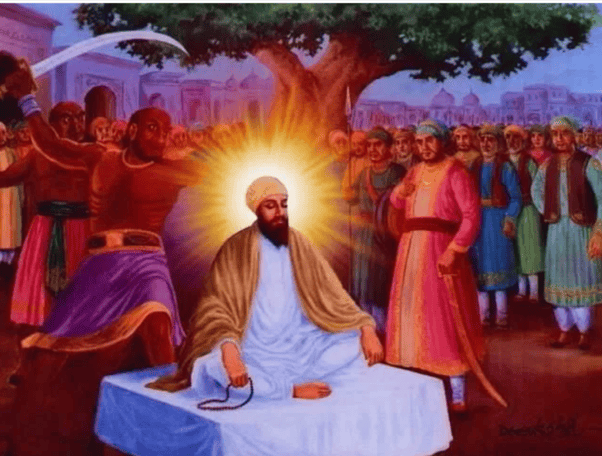
Guru Tegh Bahadur Martyrdom Day marks the execution of the ninth Sikh Guru in 1675 for defending religious freedom. He refused to convert under Mughal pressure and protected the rights of Kashmiri Pandits, earning the title Hind Di Chadar. His martyrdom is seen as a defining moment in Sikh history and a powerful message of justice, courage and human dignity.
Who Was Guru Tegh Bahadur
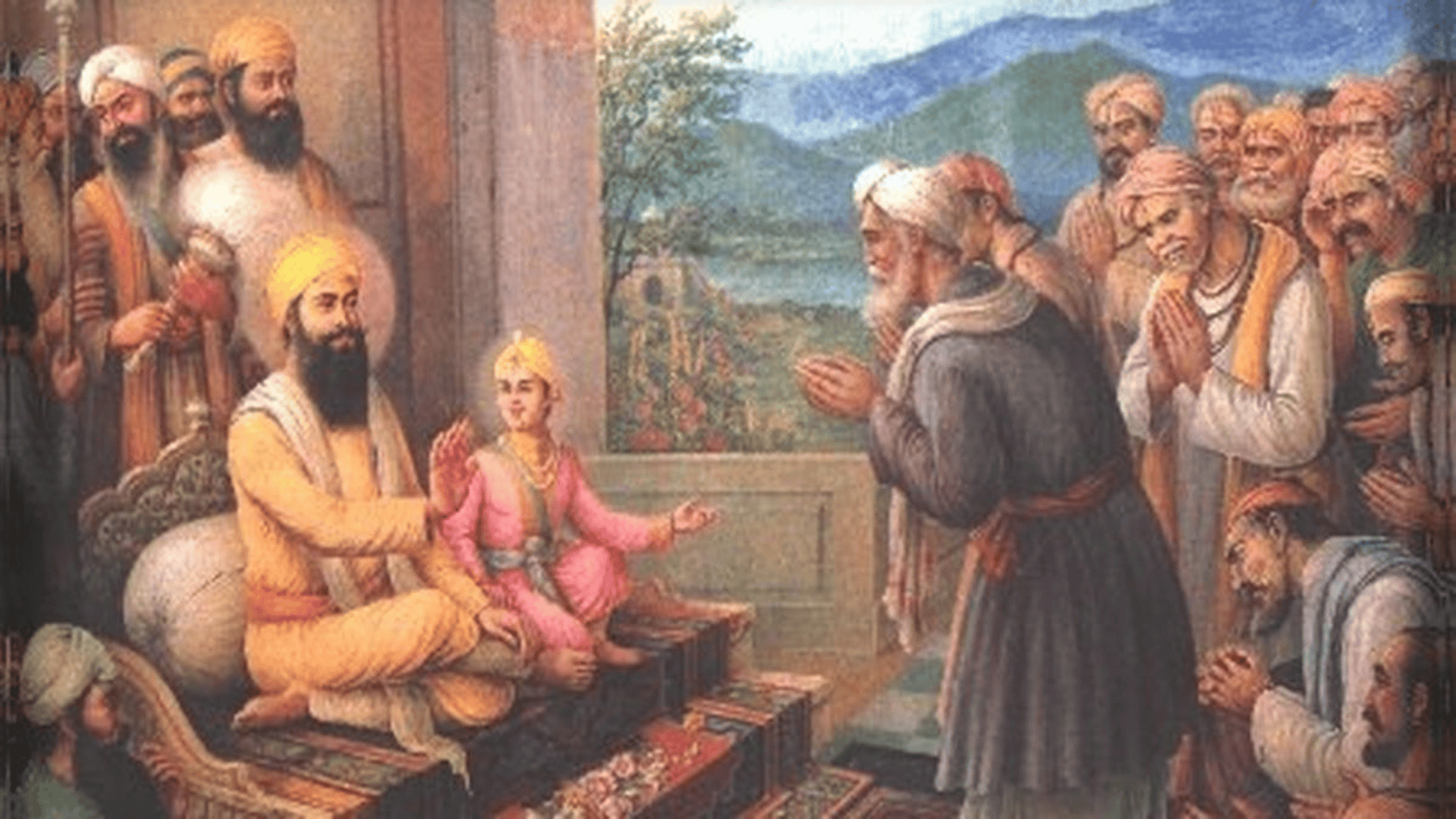
Guru Tegh Bahadur was the ninth Sikh Guru, born in 1621 in Amritsar. He was the youngest son of Guru Hargobind, known for his balance of spiritual and martial values. Guru Tegh Bahadur spread the teachings of courage, compassion and inner strength. His hymns form an important part of the Guru Granth Sahib.
He travelled through northern and eastern India, guiding communities on equality, peace and fearless living.
Why Guru Tegh Bahadur Is Called Hind Di Chadar
Guru Tegh Bahadur is known as Hind Di Chadar, or Shield of India, because he defended the rights of people beyond his own faith. In 1675, Kashmiri Pandits approached him for help when they faced forced conversion under Mughal rule.
The Guru chose to stand with them, saying that protecting freedom of belief was a moral duty. His decision put him at odds with state authority, but he remained firm.
This selfless act made him a symbol of protection for all.
The Story of Guru Tegh Bahadur’s Martyrdom
Guru Tegh Bahadur was arrested and brought to Delhi. He was told to convert or face death. He refused, choosing truth and duty. He was kept in prison and witnessed the torture of his followers, yet remained composed.
In November 1675, he was executed in Chandni Chowk. Gurudwara Sis Ganj Sahib now marks the site. His sacrifice strengthened Sikh resolve and influenced Guru Gobind Singh, who later established the Khalsa.
Teachings and Values of Guru Tegh Bahadur
Guru Tegh Bahadur’s teachings form an essential part of Sikh philosophy. His words focus on inner strength, moral courage and devotion to truth. His hymns in the Guru Granth Sahib guide people to live with dignity, humility and spiritual discipline.
His teachings emphasise:
• Defence of truth
Guru Tegh Bahadur taught that truth must be protected even when it is difficult. He showed that standing for what is right is a spiritual duty, not just a social responsibility. His own martyrdom is the highest example of this teaching.
• Respect for all faiths
He believed that every individual has the right to follow their chosen faith. He did not defend only Sikhs, but also protected Kashmiri Pandits who followed a different religion. He emphasised that the divine exists in all people.
• Calmness in difficulty
His teachings encourage people to stay steady in moments of pain, fear or loss. He explained that mental peace comes from remembering the divine and not reacting with anger. This calmness helps a person make wise choices.
• Courage against injustice
Guru Tegh Bahadur taught that courage is not aggression, but the strength to resist oppression. He inspired Sikhs to rise against tyranny and to protect those who cannot defend themselves.
• Life without fear
Fearlessness is central to his message. He taught that a person who lives with faith and honesty does not need to fear rulers, death or hardship. Fearlessness helps a person uphold justice without hesitation.
His writings and message
His hymns encourage people to rise above ego, greed and attachment. He reminded followers to stay grounded in compassion, to help others, and to remember the Creator in daily life. His teachings continue to guide people in moments of moral choice and spiritual growth.
How Martyrdom Day Is Observed
Shaheedi Diwas is observed with deep respect across India and the world. Sikh communities come together to honour Guru Tegh Bahadur’s sacrifice and reflect on the values he lived for. The observance focuses on prayer, service, unity and remembrance.
Shaheedi Diwas is observed through:
• Path and Kirtan
Special prayer sessions and Gurbani recitations take place in Gurudwaras. Kirtan groups sing hymns that describe the Guru’s courage, sacrifice and devotion. These sessions help devotees reflect on his teachings.
• Langar services
Free community meals are prepared and served to everyone, regardless of religion, caste or background. This follows the Sikh belief in equality and service. Many volunteers take part in cooking, serving and cleaning.
• Nagar Kirtans
Community processions are held in many cities. Devotees walk together while singing hymns and spreading the message of peace and unity. These processions often include children, elders and members of other faiths.
• Community gatherings
Gurudwaras host talks and discussions on Sikh history, the Guru’s life and the importance of religious freedom. Scholars and community leaders share insights on how his teachings remain relevant today.
• Visits to Sis Ganj Sahib and Rakab Ganj Sahib in Delhi
Thousands of visitors come to these historic Gurudwaras linked to the Guru’s final days. Sis Ganj Sahib marks the execution site, while Rakab Ganj Sahib marks the cremation site. Devotees pay respects and offer prayers.
Meaning of the day
Shaheedi Diwas inspires gratitude, unity and reflection. People remember the Guru’s courage and the values he defended. The day encourages communities to stand for truth, protect human rights and support harmony across faiths.
Legacy of Guru Tegh Bahadur Today
Guru Tegh Bahadur’s sacrifice is remembered globally as a message of human rights and religious freedom. Schools, academies and cultural institutions honour his courage. His example guides people who stand for justice, equality and dignity.
His legacy is especially respected by armed forces personnel who uphold similar values of duty and protection.
Important Places Linked to Guru Tegh Bahadur Martyrdom Day
• Gurudwara Sis Ganj Sahib, Delhi
Execution site of the Guru.
• Gurudwara Rakab Ganj Sahib, Delhi
Marks the cremation site.
• Anandpur Sahib
Centre of Sikh learning and home of young Guru Gobind Singh.
Related Articles
The India-Pakistan War of 1971 was a turning point in South Asian history. India’s military action and humanitarian leadership led to the liberation of Bangladesh and redefined regional security.
Vijay Diwas commemorates India’s historic victory in the India-Pakistan War of 1971. The war led to the creation of Bangladesh and showcased India’s leadership on land, air, and sea.

Indian Navy Day 2025 celebrates the courage and discipline of India’s sea warriors. This guide covers the theme, history, Operation Trident, key missions and achievements of the Navy.

The 26 November Mumbai attacks were a major terror strike that tested India’s security forces. This guide explains the full timeline, police and armed forces response, casualties, operations and facts that many people do not know.



Frequent Asked Questions

Related Post
The India-Pakistan War of 1971 was a turning point in South Asian history. India’s military action and humanitarian leadership led to the liberation of Bangladesh and redefined regional security.
Vijay Diwas commemorates India’s historic victory in the India-Pakistan War of 1971. The war led to the creation of Bangladesh and showcased India’s leadership on land, air, and sea.
Indian Navy Day 2025 celebrates the courage and discipline of India’s sea warriors. This guide covers the theme, history, Operation Trident, key missions and achievements of the Navy.
The 26 November Mumbai attacks were a major terror strike that tested India’s security forces. This guide explains the full timeline, police and armed forces response, casualties, operations and facts that many people do not know.