

Indian Navy Day 2025: Meaning, Theme, History and Major Missions
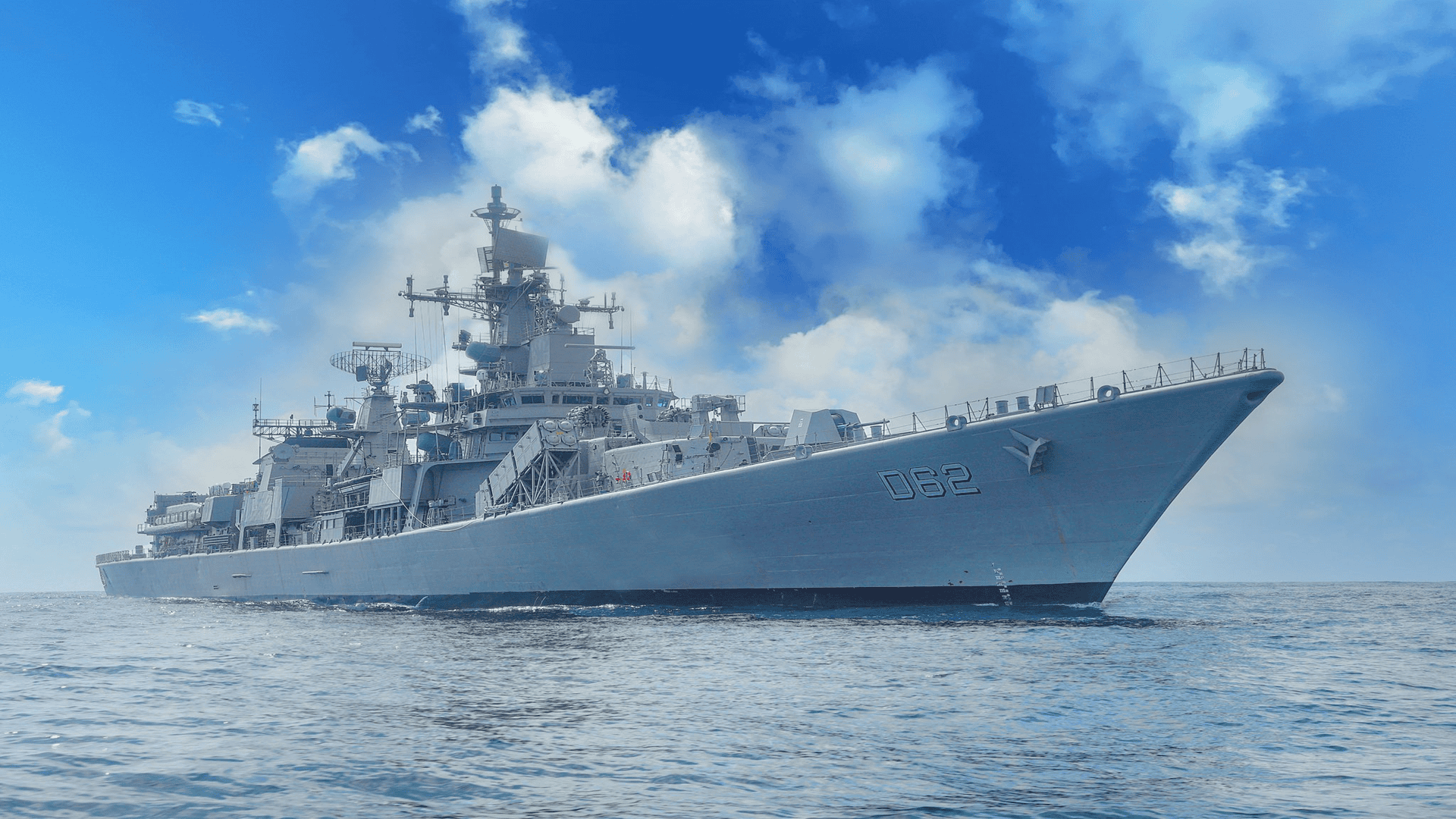

In this article
Key Highlights
• Indian Navy Day is observed on 4 December.
• The day marks the success of Operation Trident in 1971.
• Theme for Navy Day 2025 is Blue Frontiers, Secure Nation.
• Navy missions include anti-piracy, submarine patrol and humanitarian aid.
• Celebrations include operational displays and tributes to heroes.
• The Navy protects the coastline, sea lanes and maritime interests.
Indian Navy Day 2025 Overview
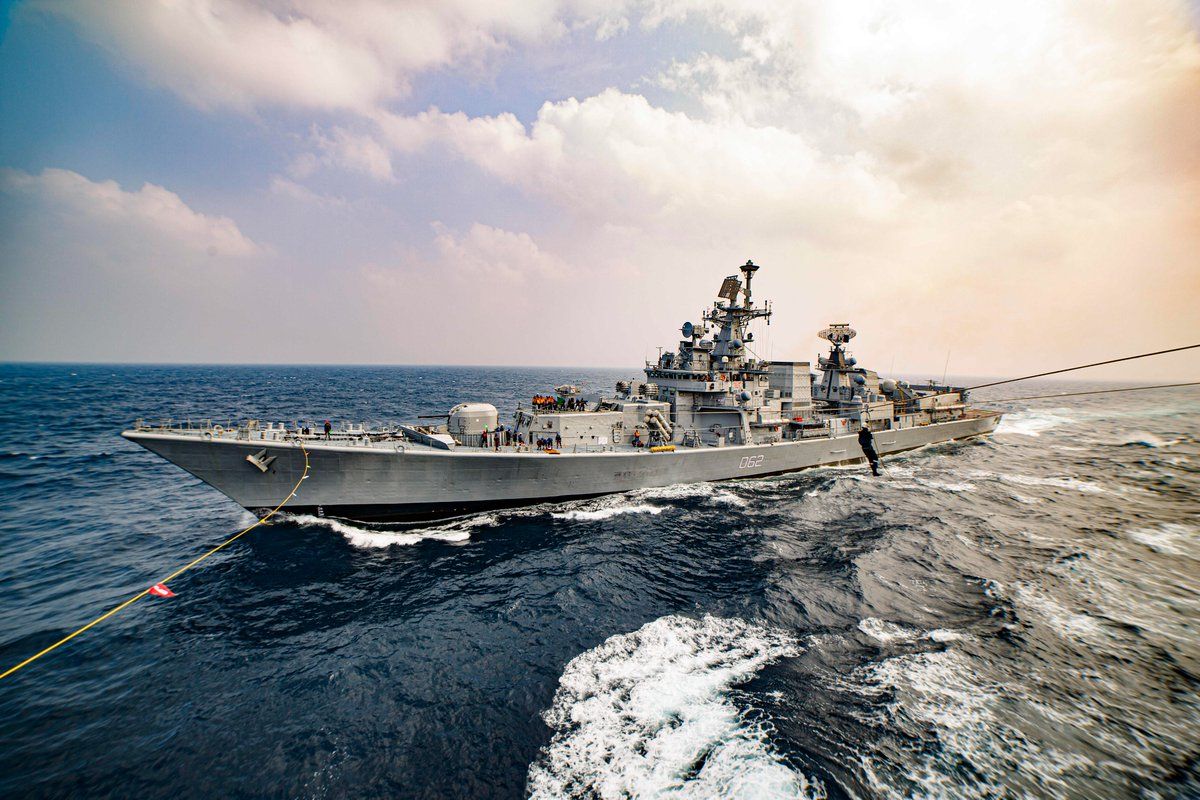
Source: By Indian Navy - Eastern Fleet - https://twitter.com/IN_EasternFleet/status/1751115578084122834, GODL-India, https://commons.wikimedia.org/w/index.php?curid=144631151
Indian Navy Day is observed every year on 4 December. The day honours the service and achievements of India’s naval forces.
It also marks the success of Operation Trident during the 1971 conflict.
The official theme for Navy Day 2025 is Blue Frontiers, Secure Nation. It highlights the mission to protect India’s expanding maritime boundaries and ensure national safety.
What is Indian Navy Day 2025
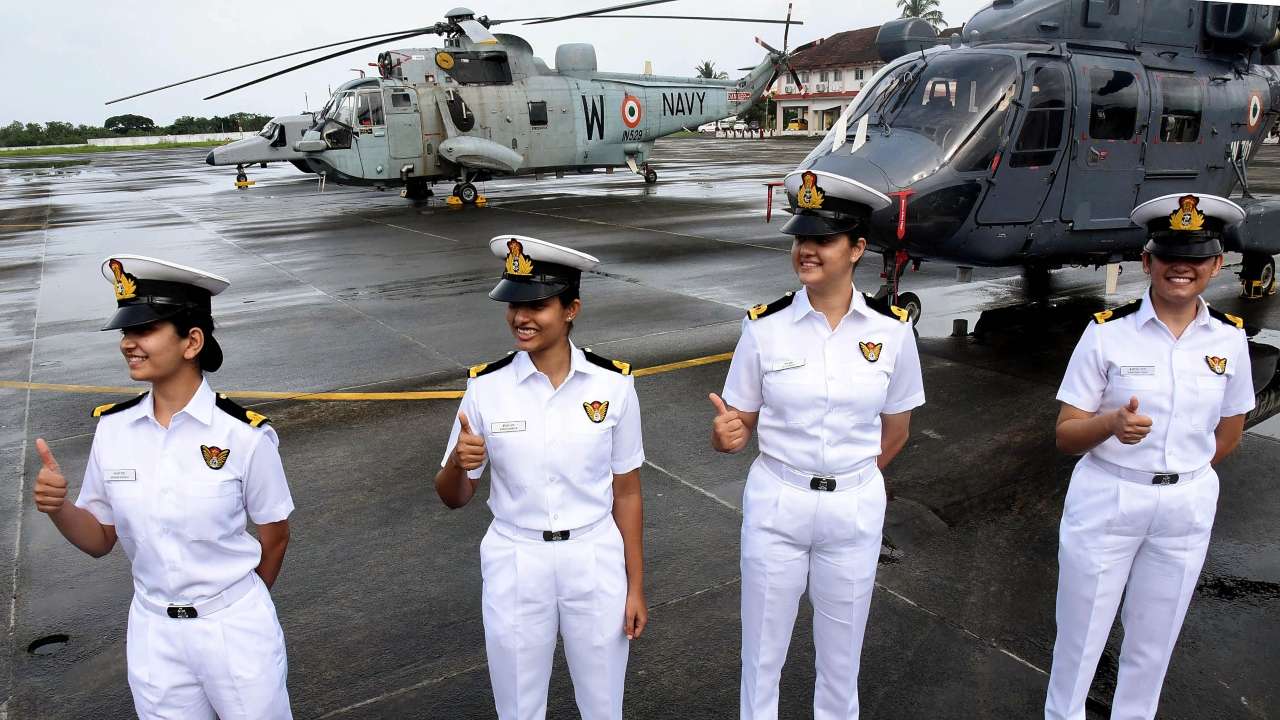 Indian Navy Day 2025 is observed on 4 December to honour the success of Operation Trident during the 1971 war and to celebrate the achievements of the Indian Navy. The theme for 2025 is Blue Frontiers, Secure Nation. The day highlights naval strength, maritime security and the courage of India’s sea warriors.
History of Indian Navy Day
Indian Navy Day commemorates the naval attack on Karachi Harbour during the Indo-Pakistani War of 1971.
The strike showed strategic skill, strong planning and bravery at sea.
The day also honours India’s long maritime history and the evolution of the Navy into a modern blue water force.
Meaning of Indian Navy Day
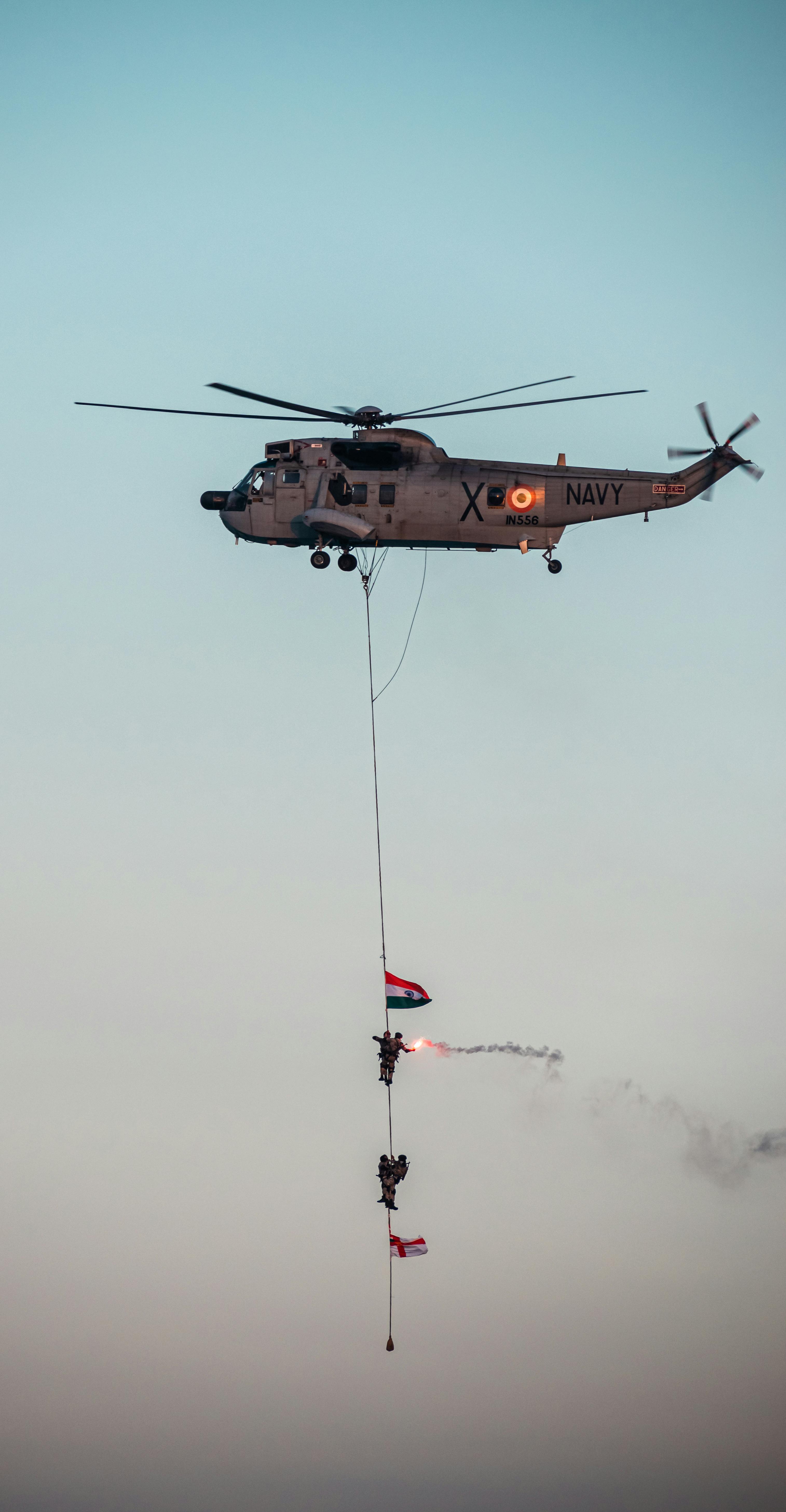
Indian Navy Day marks India’s naval strength and the success of Operation Trident in 1971. It highlights coastal defence, maritime security and the vital role of the Navy in protecting national waters. The 2025 theme, Blue Frontiers, Secure Nation, reflects India’s focus on secure oceans and advanced naval capability.
What the Indian Navy does for the country?
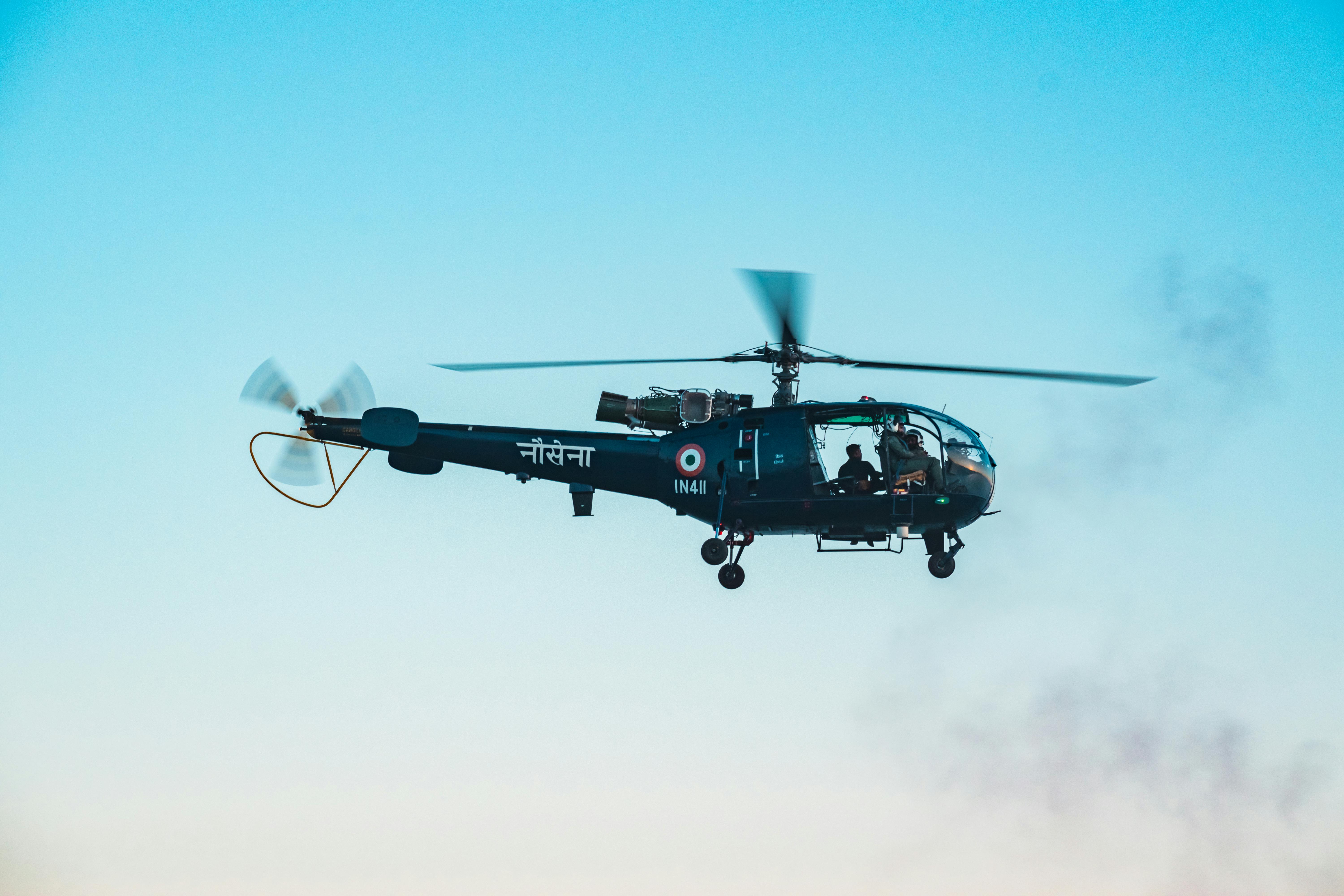
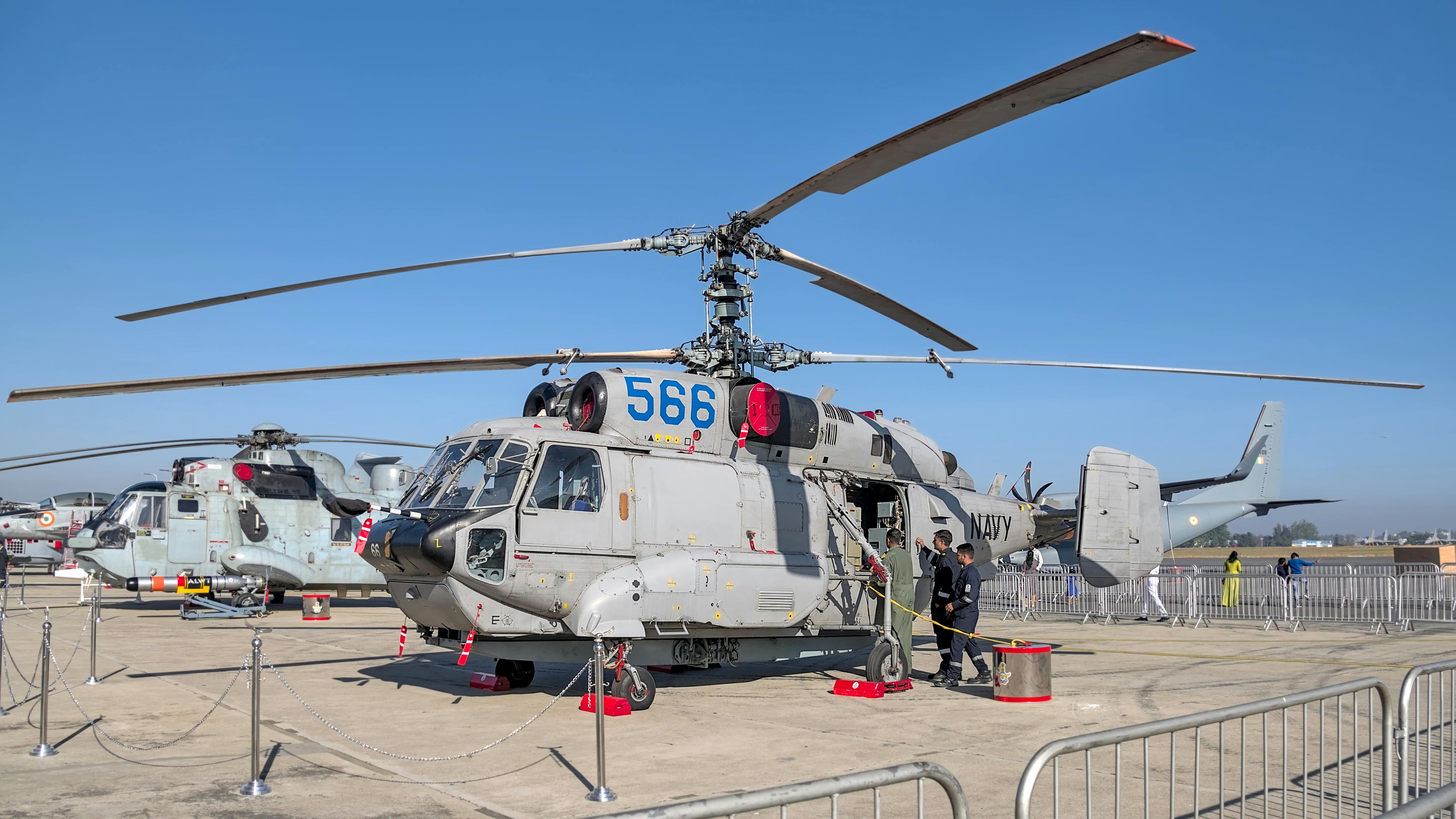
The Navy protects India’s coastline, secures sea lanes, prevents piracy, conducts submarine patrols and supports disaster relief. It also works with partner nations to maintain peace in the Indo-Pacific and strengthens national security through modern operations.
Major Missions and Operations of the Indian Navy
The Indian Navy conducts numerous important missions to protect the nation’s maritime interests. These missions strengthen security across the Indian Ocean Region and support global peace. The Navy guards trade routes, prevents piracy, tracks underwater threats and responds quickly during crises. It also helps partner nations, supports humanitarian aid, and conducts long-range patrols in areas critical to national security. These operations show the Navy’s readiness, discipline and commitment to India’s security at sea.
Key missions of the Indian Navy
The Indian Navy conducts anti-piracy missions, submarine patrols, maritime surveillance, humanitarian relief, and joint exercises in the Indo-Pacific region. These missions secure trade routes and ensure maritime safety.
Anti-Piracy Operations
The Navy protects merchant ships in the Gulf of Aden and the Indian Ocean. These missions keep global trade routes safe.
Submarine Patrol and Surveillance
Submarine fleets monitor underwater activity. They prevent threats and support intelligence gathering.
Mission Sagar
Mission Sagar focuses on providing medical aid, food, and essential supplies to nations in the Indian Ocean Region.
Disaster Relief and Evacuation
The Navy conducts evacuations during cyclones, floods, and other emergencies. Diving teams, helicopters and warships support rescue operations.
Indo-Pacific Defence Cooperation
India works with friendly navies to conduct joint exercises. These missions build trust and improve preparedness.
Long Range Maritime Deployments
Ships patrol key sea lanes and monitor suspicious activity to maintain safety in the region.
Successful Evacuation Missions
Important operations include
• Operation Rahat in Yemen
• Evacuation during natural disasters
• Support during conflicts abroad
Significant Indian Navy Mission Over the Years
Operation Trident
Operation Trident was a major Indian Navy attack on Karachi Harbour on 4 December 1971. Missile boats destroyed enemy vessels and fuel tanks. It was a landmark naval victory with no Indian casualties.
Operation Trident and Its Significance
Operation Trident remains one of India’s most successful naval missions. It was executed by missile boats of the Western Naval Command.
Key points
• Led during the 1971 Indo-Pakistani War
• Destroyed enemy ships and key assets
• No Indian losses
• First major missile attack in the region
• Strengthened India’s maritime advantage
Operation Trident proved India’s ability to conduct precision attacks and shaped future naval strategy.
Operation Talwar and Its Importance
Operation Talwar was a central naval mission carried out during the Kargil conflict in 1999. It demonstrated India’s ability to wield maritime power as a powerful strategic tool. The Navy deployed a large number of warships in the Arabian Sea and positioned them close to Pakistan’s major ports. This created pressure and restricted the movement of enemy supply lines.
Key Highlights of Operation Talwar
• Conducted during the Kargil conflict in 1999
• Largest naval deployment in the region at that time
• Warships were placed near Karachi and Gwadar
• The operation restricted enemy logistics and raised deterrence
• Showed India’s ability to control key sea routes
• Sent a clear message of naval readiness and dominance
Operation Talwar strengthened India’s position during the conflict without direct sea combat. It proved the importance of maritime pressure in modern warfare. The mission's success also helped shape future naval planning and underscored the value of a strong maritime presence during national crises.
Operation Python and Its Strategic Impact
Operation Python was a follow-up strike to Operation Trident during the Indo-Pakistan War of 1971. It was launched on 8 December 1971—the attack combined missile boats and frigates to strike Karachi Harbour for a second time.
Key Highlights of Operation Python
• Conducted four days after Operation Trident
• Used missile boats and naval frigates
• Destroyed enemy fuel tanks and vessels
• Caused major fires in Karachi Harbour
• Reduced Pakistan Navy’s ability to operate from its main port
• Strengthened India’s advantage in the Arabian Sea
Operation Python confirmed India’s dominance at sea during the conflict. It showed advanced planning and the Navy’s ability to conduct repeated precision strikes.
Operation Rahat: A Major Naval Evacuation Mission
Operation Rahat was a large-scale evacuation conducted in Yemen in 2015. The Indian Navy played a key role in rescuing Indian nationals and foreign citizens during the intense conflict in the region.
Warships such as INS Mumbai, INS Tarkash, and INS Sumitra were deployed near Yemeni ports.
Key Highlights of Operation Rahat
• Conducted from March to April 2015
• Indian Navy warships evacuated thousands of people
• Included Indian citizens and foreign nationals
• Operations took place under heavy conflict and risk
• One of India’s most significant sea evacuations
• Showed India’s ability to protect citizens abroad
Operation Rahat received global appreciation for its coordination, speed and humanitarian focus. It established the Indian Navy as a reliable force during international crises.
Operation Cactus and India’s Role in the Maldives
Operation Cactus was a major Indian mission carried out in 1988 to support the Maldives during an attempted coup. The Indian Armed Forces responded quickly after a request for help from the Maldivian government. The Indian Navy played a key role in securing the region and supporting stabilisation efforts.
Key Highlights of Operation Cactus
• Conducted in November 1988
• The Maldives requested India’s support during a coup attempt
• Indian Navy ships hurried towards Malé
• Naval forces blocked the escape routes of the mercenaries
• The mission restored order in the Maldives
• Showed India’s readiness and commitment to regional stability
Operation Cactus improved India’s reputation as a dependable security partner in the Indian Ocean Region.
Anti Piracy Rescues by the Indian Navy (2023 to 2024)
Indian Navy anti-piracy rescues highlight the Navy’s strong presence in the Arabian Sea and the Gulf of Aden. During 2023 and 2024, the Navy rescued multiple merchant ships, including Indian and foreign vessels, targeted by pirate groups.
Key Highlights of Anti-Piracy Missions (2023 to 2024)
• Indian Navy deployed mission-ready warships in the Arabian Sea
• Carried out rescues of hijacked and threatened merchant vessels
• Conducted boarding operations using marine commandos
• Neutralised pirate threats and ensured safe passage for crews
• Protected shipping routes critical for global trade
• Showed India’s leadership in maritime security
These operations strengthened safe navigation in the region and protected thousands of seafarers.
Mission Sagar I to V: Humanitarian Support Across the Indian Ocean
Mission Sagar refers to a series of humanitarian operations led by the Indian Navy. Mission Sagar supported friendly countries across the Indian Ocean Region with medical supplies, food aid and essential support during the pandemic and other emergencies.
Overview of Mission Sagar I to V
• Mission Sagar I delivered medical aid and COVID support to the Maldives, Mauritius, Seychelles, Madagascar and Comoros.
• Mission Sagar II provided food items to Sudan, South Sudan, Eritrea and Djibouti.
• Mission Sagar III carried medicines and supplies to Sri Lanka.
• Mission Sagar IV deployed INS Jalashwa for community support in island nations.
• Mission Sagar V focused on further humanitarian outreach in friendly littoral states.
Why Mission Sagar Matters
• Strengthened India’s image as a dependable maritime partner
• Delivered aid during critical health and economic challenges
• Improved cooperation with neighbouring countries
• Showed the Navy’s capacity for long-range humanitarian operations
Mission Sagar enhanced goodwill across the Indian Ocean Region and reinforced India’s vision of Security and Growth for All in the Region.
Operation Sankalp: Protecting India’s Maritime Interests in the Persian Gulf
Operation Sankalp is an ongoing Indian Navy deployment launched in 2019 to safeguard Indian merchant ships in the Persian Gulf and Gulf of Oman. The operation began after rising tensions affected international shipping lanes.
Key Highlights of Operation Sankalp
• Started in June 2019
• Indian Navy warships deployed in the Persian Gulf
• Ensured safe movement of Indian flagged merchant vessels
• Provided escort, communication support and situational awareness
• Increased surveillance during high threat periods
• Helped maintain uninterrupted trade flow for India
Operation Sankalp shows India’s commitment to protecting its citizens, cargo and maritime interests in one of the world’s most sensitive sea corridors.
Indian Navy Missions Explained
Indian Navy missions include anti-piracy patrols, deep sea surveillance, humanitarian assistance, evacuation operations, Mission Sagar support and long-range deployments across the Indian Ocean Region. These missions ensure safety, stability and readiness during crises.
Indian Navy Achievements and Strength
Aircraft Carriers
India operates advanced carriers such as INS Vikrant, which support sea control and long-range maritime operations.
Submarine Fleet
India’s submarines carry out stealth missions and strengthen underwater security.
Guided Missile Destroyers and Frigates
Warships with advanced radar, missile systems and sensors protect the nation’s maritime territory.
Naval Aviation
Aircraft support anti-submarine warfare, reconnaissance and rescue operations.
Indigenous Defence Technology
Modern shipbuilding and new combat systems support the nation’s Make in India vision.
Types of Ships and Warships Used by the Indian Navy
The Indian Navy operates a wide range of ships designed for defence, deterrence and maritime security. These vessels support missions across the Indian Ocean Region and strengthen India’s blue water capability. The fleet includes aircraft carriers, destroyers, frigates, submarines, corvettes, patrol vessels, amphibious ships and support ships. Each class has a specific role in warfare, surveillance and humanitarian operations.
Aircraft Carriers
India’s aircraft carriers act as floating airbases. They project power far from the coastline and support long-range operations. The newest carrier, INS Vikrant, is a symbol of India’s indigenous shipbuilding strength. Aircraft carriers carry fighter jets, helicopters and advanced radar systems.
Destroyers
Destroyers are among the most powerful warships in the fleet. They carry long-range missiles, torpedoes and advanced sensors. Indian Navy destroyers support air defence, anti-submarine warfare and surface warfare. They operate in high-threat areas and lead major naval formations.
Popular destroyer classes include
• Kolkata class
• Delhi class
• Rajput class
Frigates
Frigates are multi-role ships designed for escort missions, patrol and fleet protection. They balance speed, firepower and endurance. Frigates carry surface-to-air and anti-ship missiles, as well as modern tracking systems.
Notable frigate classes include
• Shivalik class
• Talwar class
• Brahmaputra class
Submarines
Submarines strengthen underwater security and provide a stealth advantage. The Navy operates both nuclear-powered and diesel-electric submarines. Submarines conduct reconnaissance, surveillance and anti-submarine warfare.
India’s modern submarine fleet includes
• Arihant class (nuclear-powered ballistic missile submarines)
• Kalvari class (Scorpene class diesel electric submarines)
• Sindhughosh class
Corvettes
Corvettes are fast, agile warships designed for coastal defence and quick strike operations. They carry missiles, guns and sensors suitable for littoral zones. They are essential for anti-submarine missions near the coastline.
Key Corvette classes include
• Kamorta class
• Khukri class
• Kora class
Offshore Patrol Vessels
Offshore Patrol Vessels (OPVs) protect India’s exclusive economic zone. They conduct surveillance, anti-smuggling operations, anti-piracy missions, and maritime safety tasks. OPVs are essential for peace-time security and long-range patrol.
Amphibious Ships
Amphibious ships transport troops, vehicles and supplies. They support humanitarian assistance and disaster relief. These ships also support evacuation operations, cargo movement, and island defence.
India’s amphibious platforms include
• Jalashwa
• Magar class ships
Fleet Support Ships
Support ships help refuel, repair and resupply naval units at sea. They extend the Navy’s operational range and allow vessels to remain deployed for long durations.
Mine Countermeasure Vessels (MCMVs)
MCMVs detect and neutralise naval mines. They protect shipping lanes and ensure safe passage for trade and naval vessels. India plans to expand this fleet in the coming years with advanced mine warfare technology.
Survey Ships
Survey ships map the ocean floor and collect hydrographic data. This information supports navigation, port development and submarine operations.
Why This Fleet Matters
A diverse fleet enables the Indian Navy to carry out missions worldwide. From humanitarian aid to strategic deterrence, every ship class plays an important role. Together, they strengthen India’s maritime security and protect national interests.
Indian Navy Day 2025 Celebrations Across the Country
Operational Displays
Warships, aircraft, submarines and marine commandos take part in demonstrations.
Tributes to Heroes
Navy units hold ceremonies to honour fallen sailors and officers.
Public Engagement
The Navy offers ship tours, exhibitions, and interactions with schoolchildren.
Grand Display Planned for 2025
A large-scale demonstration is planned for 3 December 2025 to showcase advanced systems and combined operations.
Conclusion: Saluting India’s Sea Warriors
Indian Navy Day 2025 honours the Navy's strength and service. The theme Blue Frontiers, Secure Nation reflects India’s commitment to safe oceans and secure maritime borders.
From Operation Trident to modern missions across the Indo-Pacific, the Navy continues to protect the nation with courage and discipline.
Related Articles
The India-Pakistan War of 1971 was a turning point in South Asian history. India’s military action and humanitarian leadership led to the liberation of Bangladesh and redefined regional security.
Vijay Diwas commemorates India’s historic victory in the India-Pakistan War of 1971. The war led to the creation of Bangladesh and showcased India’s leadership on land, air, and sea.
The 26 November Mumbai attacks were a major terror strike that tested India’s security forces. This guide explains the full timeline, police and armed forces response, casualties, operations and facts that many people do not know.



Frequent Asked Questions

Related Post
The India-Pakistan War of 1971 was a turning point in South Asian history. India’s military action and humanitarian leadership led to the liberation of Bangladesh and redefined regional security.
Vijay Diwas commemorates India’s historic victory in the India-Pakistan War of 1971. The war led to the creation of Bangladesh and showcased India’s leadership on land, air, and sea.
The 26 November Mumbai attacks were a major terror strike that tested India’s security forces. This guide explains the full timeline, police and armed forces response, casualties, operations and facts that many people do not know.

Guru Tegh Bahadur Martyrdom Day honours the ninth Sikh Guru who gave his life to protect religious freedom in 1675. His courage, values and legacy continue to inspire millions across India and worldwide.