

Remembering Field Marshal Sam Manekshaw: A Legacy of Courage, Wit, and Patriotism
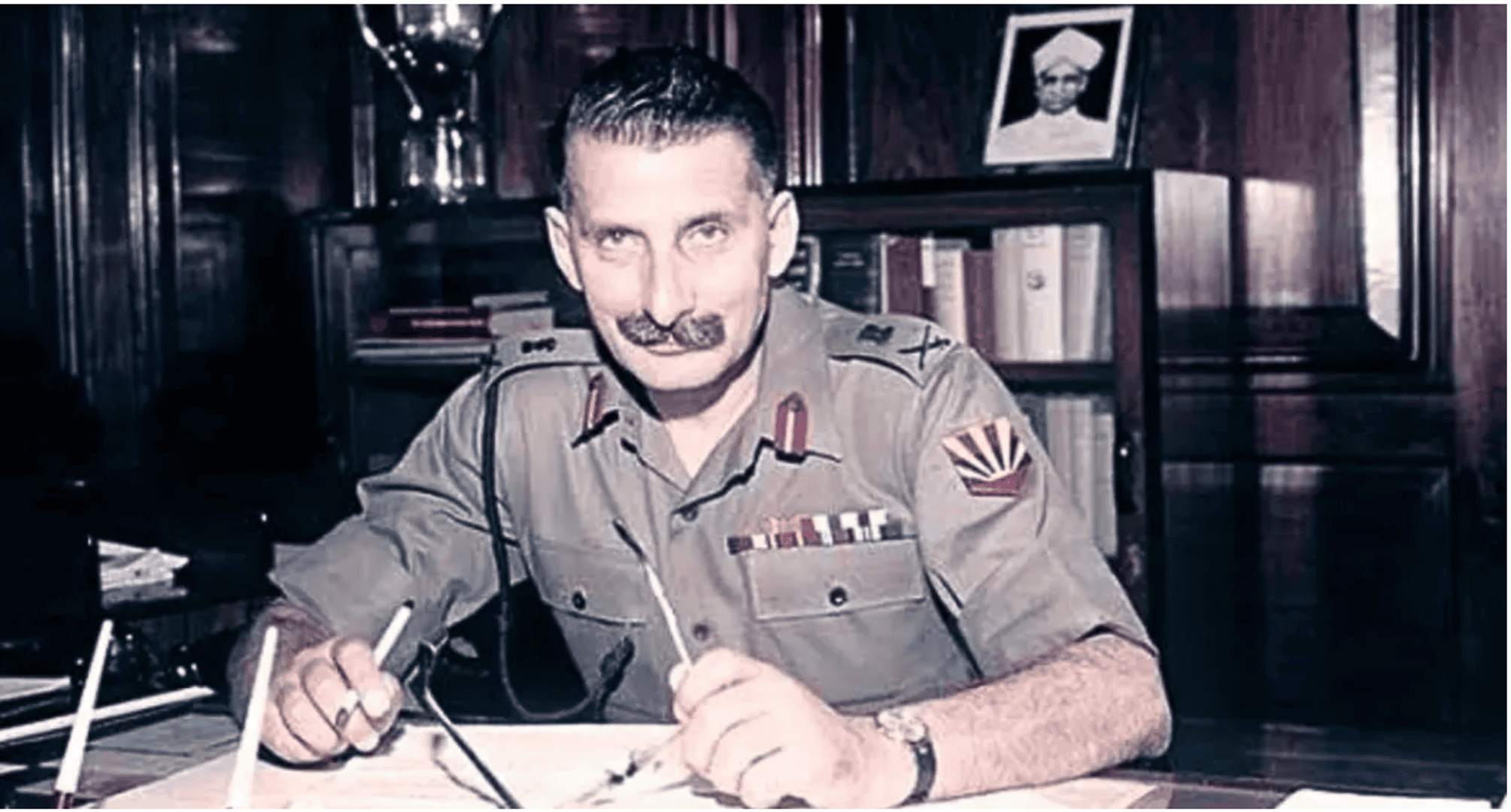

On 27th June, India remembers Field Marshal Sam Hormusji Framji Jamshedji Manekshaw, a name that needs no introduction in the annals of Indian military history. Revered as Sam Bahadur, he wasn't just India's first Field Marshal — he was the fearless strategist behind one of the country's most decisive military victories in 1971.
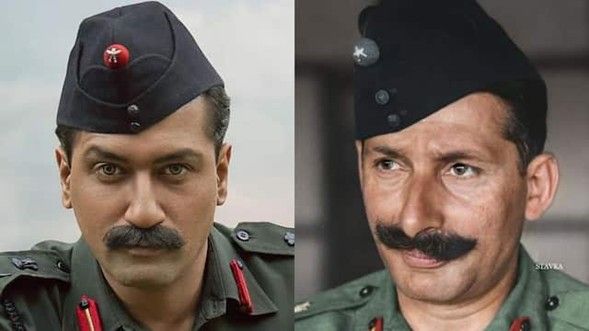
While his legend has long been etched into the Indian Army's proudest traditions, his story recently found fresh resonance with younger audiences through Vicky Kaushal's powerful portrayal in the film Sam Bahadur. The film rekindled admiration for the man behind the uniform, sparking renewed interest in his extraordinary life, quick wit, and unwavering sense of duty.
On his death anniversary today, we reflect on the life, legacy, and lasting impact of one of India's greatest sons.
A Life of Firsts: The Story of Sam Manekshaw
Born on 3rd April 3, 1914, in Amritsar, Sam Manekshaw belonged to a Parsi family. At a time when joining the military was considered an unconventional choice, he followed his passion and became part of the first batch at the Indian Military Academy (IMA), Dehradun, in 1932.
He was commissioned into the Frontier Force Regiment of the British Indian Army in 1934. During World War II, he was severely wounded in Burma but insisted on returning to the front lines after recovery — a testament to his indomitable spirit.
How Sam Manekshaw Became Sam Bahadur
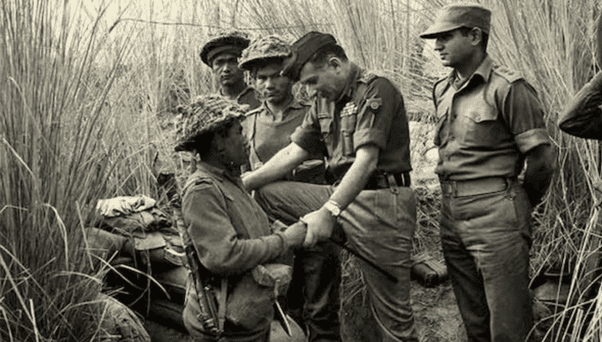
The story of how Field Marshal Manekshaw earned the name Sam Bahadur is now military folklore.
During one of his visits to a battalion of the 5th Gorkha Rifles, a soldier affectionately referred to him as "Sam Bahadur", — which means "Sam the Brave" in Gorkhali. The nickname struck a chord. Gorkha troops are known for their fierce loyalty and courage, so when they chose to call him Bahadur, it wasn't just a term of endearment — it was a title of honour.
Manekshaw humbly accepted the name, and it soon spread across the ranks and the nation. To this day, even schoolchildren and civilians remember him more as Sam Bahadur than by his formal titles.
Key Achievements and Milestones
- India's First Field Marshal: In 1973, Sam Manekshaw was conferred the rank of Field Marshal, becoming the first Indian Army officer to achieve this five-star rank.
- Architect of the 1971 Victory: As the Chief of Army Staff, he led India to a decisive victory in the 1971 Indo-Pak War, which resulted in the creation of Bangladesh, one of the swiftest and most successful military campaigns in modern history.
- Straight Talker with a Sharp Mind: Known for his honesty and quick wit, Manekshaw wasn't afraid to speak truth to power. He commanded immense respect not only from his men but also from political leaders, including Prime Minister Indira Gandhi.
- 40 Years of Service: Over four decades, he served in five different wars — World War II, the Indo-Pak wars of 1947, 1965, and 1971, and the 1962 Sino-Indian War.
His Enduring Legacy
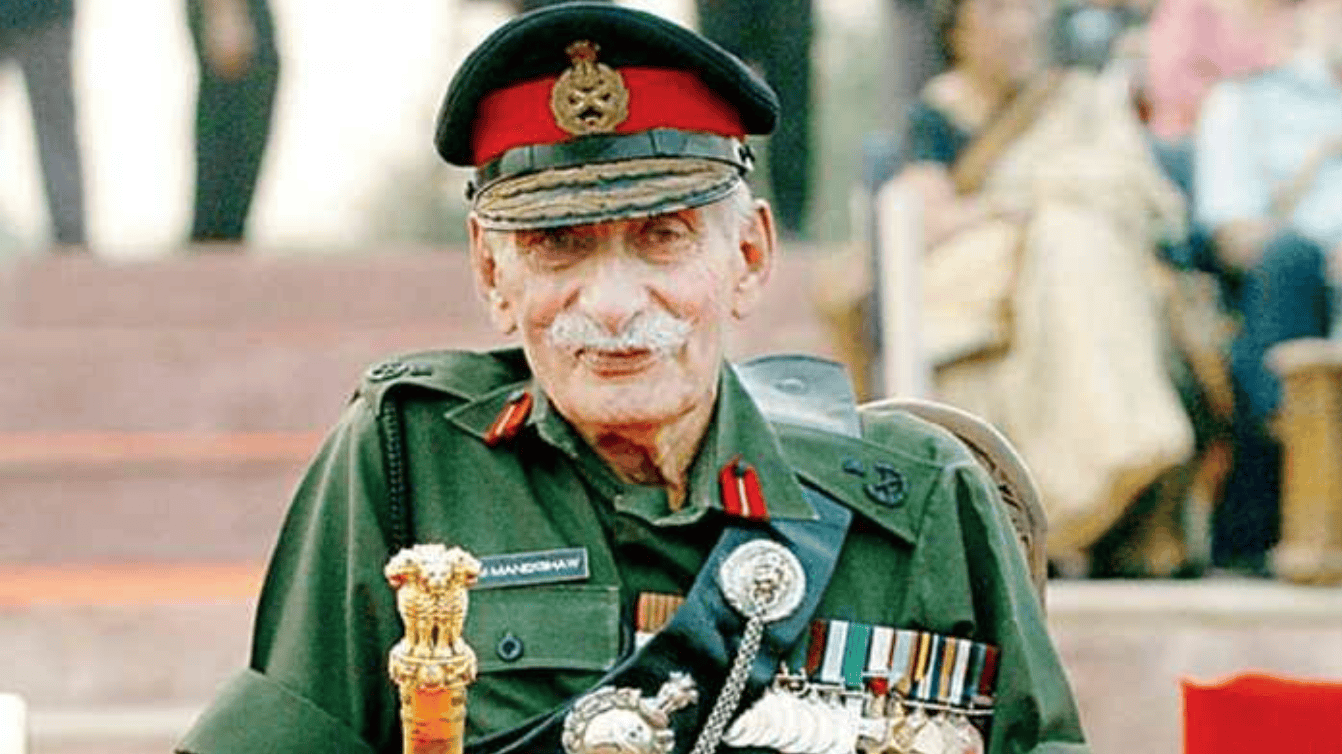
Even after his retirement in 1973, Sam Manekshaw remained a towering figure in India's military and national consciousness. He passed away on 27th June 27, 2008, in Wellington, Tamil Nadu, at the age of 94.
To this day, military academies cite his life as a gold standard in leadership. His no-nonsense approach, dedication to his men, and refusal to play politics within the armed forces are deeply admired.
He remains a cultural icon — someone who could defuse tension with humour and inspire action with integrity.
10 Timeless Quotes by Sam Manekshaw
Here are some of his most famous words that continue to inspire leaders across generations:
- "If a man says he is not afraid of dying, he is either lying or is a Gorkha."
- "Gentlemen, I have arrived, and there will be no withdrawal without written orders, and these orders shall never be issued."
- "There will be no withdrawal without written orders, and these orders shall never be issued."
- "You mind your own business and I'll mind mine."
- "I'm always ready, sweetie."
- "Professional knowledge and professional competence are a sine qua non for leadership."
- "I wonder whether those of our political masters who have been put in charge of the defence forces have the slightest knowledge of military matters."
- "I'm not a Yes Man. I will tell you what's right and what's wrong."
- "Leadership is all about getting others to do what you want them to do, because they want to do it."
- "You cannot have discipline without character."
How the Nation Remembers Him
Across the country, Sam Manekshaw is remembered with deep respect. At Wellington in Tamil Nadu, the Defence Services Staff College holds annual tributes. Military historians and young cadets revisit his speeches and war strategies as lessons in leadership.
His sharp humour, charismatic presence, and rock-solid integrity are etched into the institutional memory of the Indian Army.
Final Thoughts: A Soldier Forever
Sam Manekshaw was more than a Field Marshal. He was a leader, strategist, and nation-builder. His story reminds us that authentic leadership requires courage, clarity, and compassion. On his death anniversary, we salute this legendary soldier, who gave India one of its proudest moments and left behind a legacy that no time cannot fade.
As the guns salute him in memory, we say: Jai Hind, Sam Bahadur.
Related Articles
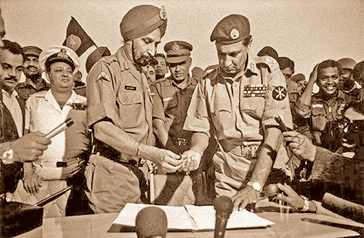
The India-Pakistan War of 1971 was a turning point in South Asian history. India’s military action and humanitarian leadership led to the liberation of Bangladesh and redefined regional security.
Vijay Diwas commemorates India’s historic victory in the India-Pakistan War of 1971. The war led to the creation of Bangladesh and showcased India’s leadership on land, air, and sea.
Indian Navy Day 2025 celebrates the courage and discipline of India’s sea warriors. This guide covers the theme, history, Operation Trident, key missions and achievements of the Navy.
The 26 November Mumbai attacks were a major terror strike that tested India’s security forces. This guide explains the full timeline, police and armed forces response, casualties, operations and facts that many people do not know.



Related Post
The India-Pakistan War of 1971 was a turning point in South Asian history. India’s military action and humanitarian leadership led to the liberation of Bangladesh and redefined regional security.
Vijay Diwas commemorates India’s historic victory in the India-Pakistan War of 1971. The war led to the creation of Bangladesh and showcased India’s leadership on land, air, and sea.
Indian Navy Day 2025 celebrates the courage and discipline of India’s sea warriors. This guide covers the theme, history, Operation Trident, key missions and achievements of the Navy.
The 26 November Mumbai attacks were a major terror strike that tested India’s security forces. This guide explains the full timeline, police and armed forces response, casualties, operations and facts that many people do not know.